Writing on AI
that actually ships.
Practical writing on AI automation, AI-native operations, AI-enabled workflows, and the unglamorous craft of shipping software that works. From the engineers building the platform — not consultants selling decks.
55 of 55 posts
The brand-voice problem in AI marketing (and how to fix it)
Why most AI-generated marketing reads off-brand and what to do about it. Training examples, voice rubric, drift detection, and the weekly review that keeps the voice consistent.
The marketing tools AI replaces (and the ones it does not)
An honest list of what AI marketing automation can replace today, what to keep, and what is still a year away. Saves you from buying the wrong stack.
Multi-channel campaign planning with AI: a 30-day template
A 30-day campaign planning template you can copy this week. Calendar, channel mix, asset list, approval flow, measurement plan. Built for the operator who plans on Sunday night.
How to build an AI-native marketing team
What an AI-native marketing team actually looks like. Three roles to keep, two to redesign, the daily rhythm, and the artefacts that compound. For 5-50 person teams.

What is AI marketing automation? A guide for SMBs
Pillar post. AI marketing automation is more than scheduling — it is campaign planning, content drafting, multi-channel publishing, and analytics, all under one brand voice. Five characteristics + when it makes sense.

The 10 most-overhyped AI use cases (and what to build instead)
Ten AI use cases that get oversold every quarter — and what actually pays back in the same niche. A correction list with what to build instead.
AI governance for SMBs: what to actually write down
Forget the 80-page corporate policy. The 6 things a 10-200 person team needs to write down to govern AI responsibly — and the ones that are theatre.
When AI fails: postmortem template + recovery playbook
AI will go wrong in production. A postmortem template, a recovery playbook, and the cultural moves that turn failures into compounding improvements.
The 30-day AI experiment framework
Stop strategising. A 30-day framework to test if AI works for your business — one workflow, one team, one outcome, one decision at the end.

AI for Tier 2 and Tier 3 Indian SMBs
Slow connectivity, mixed device quality, regional languages, paper-first workflows. What AI must do differently in Tier 2 and 3 India to actually work.
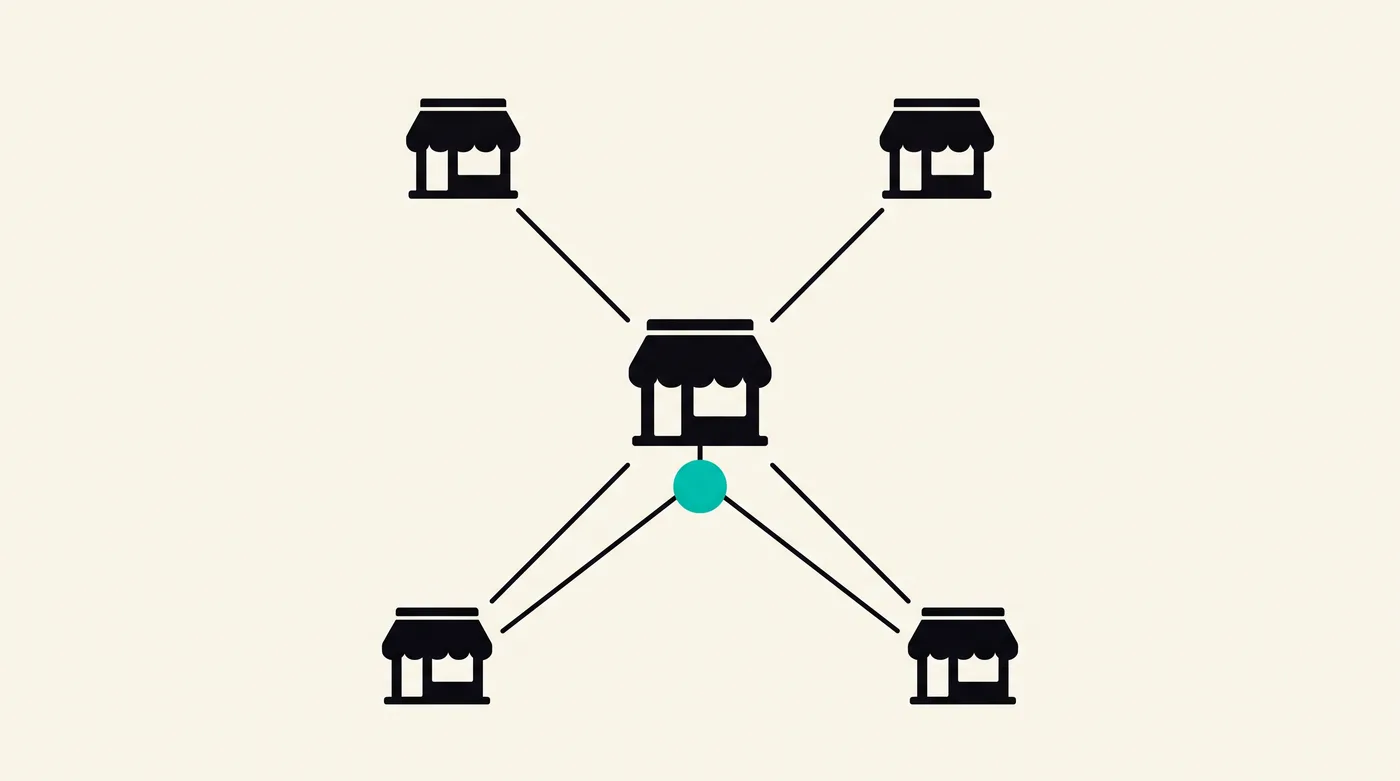
AI for franchise networks: the white-label playbook
Franchise networks have the hardest AI problem: one brand voice, many locations, varying capability. Three patterns that scale without losing the local touch.
AI for D2C brands: post-purchase, retention, drops
Acquisition is expensive; retention is the moat. Five AI patterns for D2C — post-purchase nudges, churn prediction, drop announcements, returns triage, UGC at scale.

AI for general and long-tail businesses
Not every business fits a vertical app. Here is the AI playbook for the long tail: small consultancies, niche retailers, family businesses, side projects.
AI for real estate brokers and channel partners
Brokers live on lead quality and follow-up discipline. AI fixes both. Lead enrichment, follow-up automation, listing description in seconds.
AI for repairs and service businesses
Plumbers, electricians, AC techs, appliance repair — the unglamorous business AI can transform first. Five patterns that pay back in 60 days.
Building an AI-native culture in a 10-person team
Culture is the bottleneck after tooling. Five rituals, three artefacts, and the meeting we deleted. How a small team learns to ship with AI in the loop.
The AI agent operator: a new job description
Every AI-native team needs an operator. Half product manager, half SRE, half prompt engineer. We define the role, the skills, and what to pay.
How to write a good prompt (a primer for non-engineers)
Prompts are the new spreadsheet formula. Six principles that turn vague requests into reliable AI output, with before-and-after examples you can copy today.
AI for ops teams: scheduling, dispatch, inventory
Ops teams have predictable patterns and irregular spikes. AI excels at the prediction part and supports the spike part. Five patterns from production.
AI for HR: hiring, onboarding, performance
Where AI helps an HR team (drafting JDs, screening at scale, onboarding content) and where it does not (final hiring calls, performance judgement, terminations).
AI for finance teams: 10 use cases beyond GST
Beyond invoicing and tax filing, finance is full of high-leverage AI surfaces. Reconciliation, forecasting, expense review, audit prep — what to ship first.
AI for sales: copilots that work and copilots that do not
Sales AI promises a lot and delivers selectively. What actually moves pipeline: research, drafting, qualification. What fails: full autonomy on the close.
AI for customer support: when to deploy, when to wait
AI support bots ship in a week or fail for a year. We map the seven readiness criteria, the four deployment patterns, and the metrics that show it is working.
Human-in-the-loop AI: where it matters, where it does not
Not every AI feature needs a human reviewer, and not every feature can survive without one. A decision guide based on cost of error, reversibility, and trust.
The economics of AI agents: cost per task in 2026
Why an AI agent that costs 5 cents per task can be a great deal — or a disaster. The math of token spend, retries, latency, and the human-fallback budget.
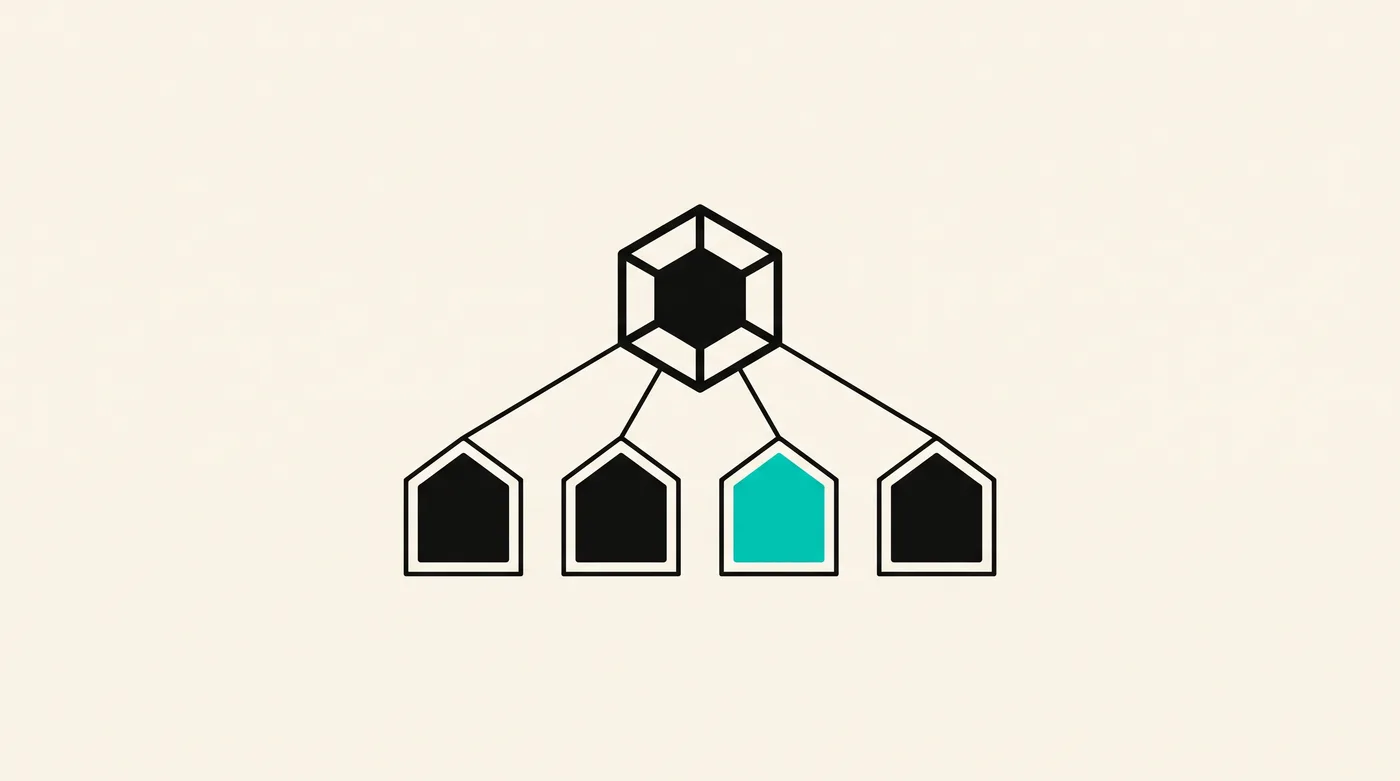
Multi-tenant AI architecture explained
How to build AI that serves many customers without leaking data between them. Tenant isolation in the retrieval layer, the model layer, and the audit layer.

Why prompt injection matters more than you think
Prompt injection is the SQL injection of the AI era. We explain the attack, why guardrails alone do not solve it, and the architectural patterns that defend.
How to hire your first AI engineer (without being one)
A practical guide for non-technical hirers. What to look for, interview questions that work, portfolio assessment without becoming a code reviewer, salary ranges.
AI for legal and accounting firms: drafting, compliance, client portals
Where AI moves the needle in a professional services firm — and the lines we deliberately do not cross. Plus a candid view on what regulators will tolerate.

AI for hotels and homestays: direct bookings, smarter ops
Hotels live on OTA commissions and seasonality. AI helps with the part the OTA cannot: direct-booking nudges, demand forecasting, voice-of-the-property guest comms.
AI for education and coaching institutes: a practical guide
Where AI helps an institute today — content drafting, parent communication, attendance, personalised practice — and what we deliberately do not automate.
The AI vendor evaluation framework: 15-criterion scorecard
Most AI RFPs miss the things that matter in production. A scorecard you can copy, the red flags to watch, and reference-call questions that surface the truth.

RAG vs fine-tuning vs prompt engineering: when to use which
Three techniques, three different jobs. A clear decision tree, side-by-side cost + timeline, and the honest answer for most companies starting out.
The AI-native operator playbook: a daily rhythm
What an AI-native operator actually does on a Tuesday. The morning digest, the approval queue, the quality reviews, the end-of-day handoff. A new operating rhythm.

AI rollout playbook: month-by-month for a 10-50 person team
A four-month plan from "we should do AI" to "AI is running in production." Specific milestones each month. What to commit to. What to kill.
AI ROI: how to measure if your AI is actually paying off
Most AI ROI math is wrong because it counts the wrong things. Five metrics that matter, a formula you can apply, and a template for measuring one number that does not lie.

Foundation models in 2026: Claude, GPT, Gemini, Llama — which to pick
The honest 2026 model landscape. What each foundation model is strongest at, where it falls short, and how to pick for your specific use case.

The 5 properties of production AI (vs demo AI)
Demo AI wows you in fifteen minutes. Production AI runs for a year without breaking. Five properties that separate them — and a checklist before you ship.
What is RAG? A practical guide for AI builders
Retrieval-augmented generation, explained without the marketing fog. What RAG is, how it works, when it wins, and where it fails. From the team building AI products on it daily.
How much does a custom AI build actually cost? (2026 ranges)
Real ranges by scope: a single agent vs an internal copilot vs a full AI-native rebuild. What drives the number up — and what is overpriced if you are being quoted it.
AI consulting vs AI engineering: which one are you actually buying?
A consulting firm sells you a strategy. An engineering firm ships you running software. The difference is bigger than it sounds — and it shows up in the contract.

Why we are not an AI agency
AI agencies sell decks and discovery. We sell working software. The five differences that matter to anyone who has been burned by a six-month "AI transformation."
What is an AI agent? A practical definition.
Agents are not chatbots, copilots, or "AI features." A clear definition, three properties that separate agents from everything else, and what they let businesses do.
AI for retail and kirana: offline-first, anomaly-aware, brand-voiced
Small shops do not need a Shopify. They need inventory truth, a customer file, and a way to talk to repeat buyers in their own voice. Here is how AI helps.
AI for clinics: AI scribes, patient WhatsApp, and the audit trail
Where AI helps a small clinic without crossing the clinical line. AI scribes, patient communication, triage, and what we deliberately do not automate.
AI for restaurants: reservations, reviews, and the kitchen line
The four pain centres restaurants really have — no-shows, review noise, menu engineering, and staff cost — and where AI moves the needle on each.
AI for tax and invoicing: how Indian SMBs file GSTR in five minutes
GSTR-1, GSTR-3B, TDS, receipt OCR, CA handoff. What AI actually changes for freelancers and small businesses navigating Indian taxation.

AI for salons: virtual try-on, smart booking, and quiet marketing
Salons live or die by walk-ins, retention, and the right stylist on the right day. Here is how AI helps with each — without the gimmicks.
AI for gyms: how a fitness business actually uses AI
Member churn, no-show classes, billing recovery, paper signups. Practical AI fixes for gyms, studios, and franchises — what works, what does not.
The AI readiness checklist for SMBs
Twelve questions. A score band. A next step. Use this before you sign the first AI contract — or before you hire your first AI engineer.
Build vs buy AI: a decision framework
When does an off-the-shelf vertical app win? When do you need a custom build? Seven criteria, a scoring rubric, and an honest answer.
AI automation use cases for small business (2026 guide)
Twelve concrete use cases, one per industry. The pain, the AI fix, what you should measure. Practical, not hypothetical.

AI-native vs AI-enabled: which one are you?
A side-by-side, a decision tree, and a quick test. Pick the right path before you spend three months building the wrong AI strategy.
What is an AI-enabled company?
Most businesses do not need to rebuild from scratch. AI-enabled is the practical starting point. Here is what it looks like with real examples.

What is an AI-native company?
AI-native is more than a buzzword. We unpack the five real characteristics, how AI-native companies operate day to day, and what it takes to become one.
Ready to put any of this to work?
A 30-minute call. We will tell you honestly whether you need a vertical app, a custom AI build, or just a sharper version of what you already do.